
Electronic signals in state of the art measurements are often extremely small. Frequencies can be from sub-Hz to the microwave region. For periodic signals spanning this range, lock-in amplifiers improve signal to noise ratio by orders of magnitude and precisely measure phase. In this presentation, you will learn about the principles and characteristics of lock-in amplifiers and about applying them to your measurements. We will touch on the advantages of fully digital lock-ins. We will present some of our recent results on the accurate measurement of resonators using the Pound-Drever-Hall technique.
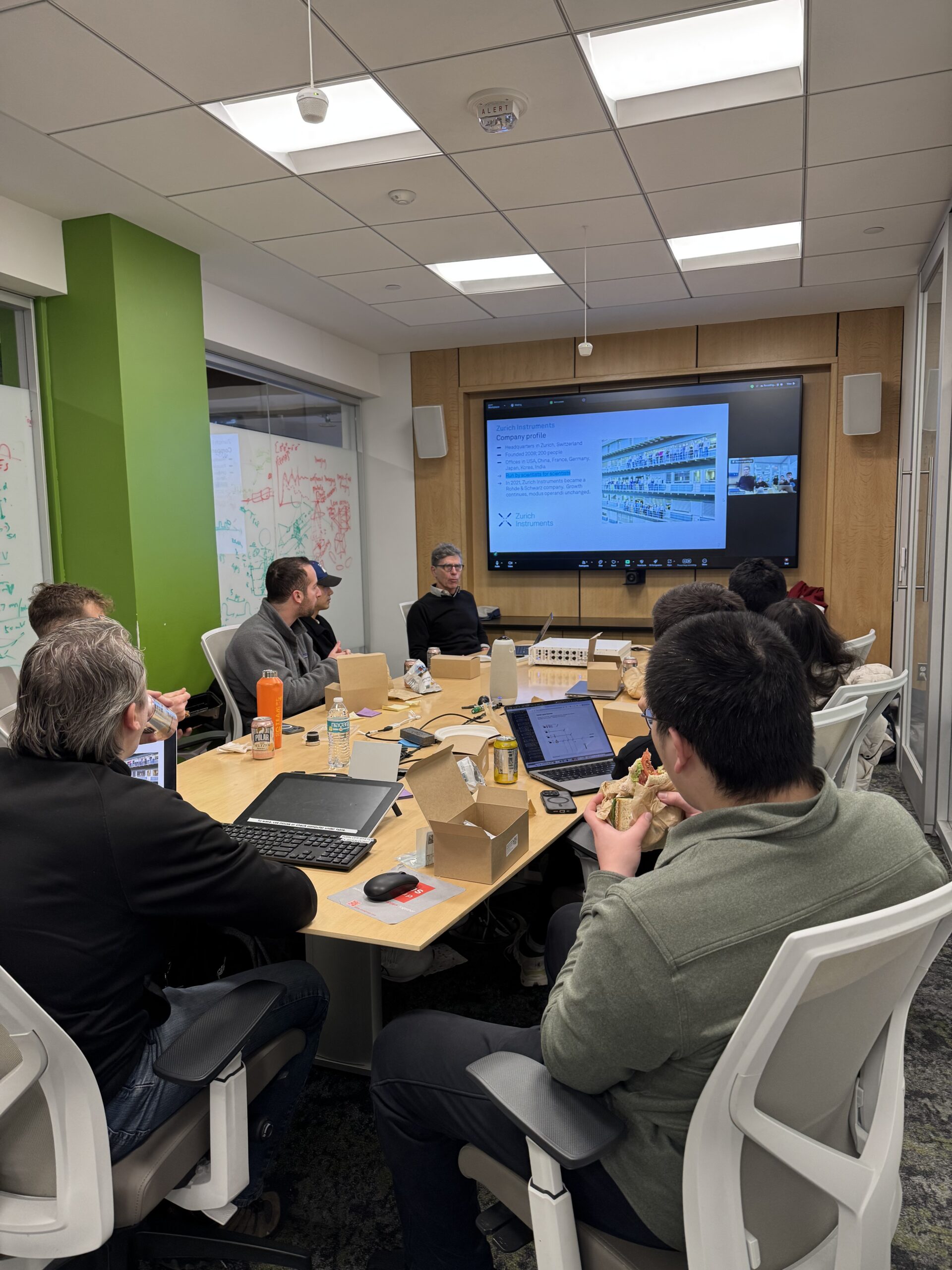
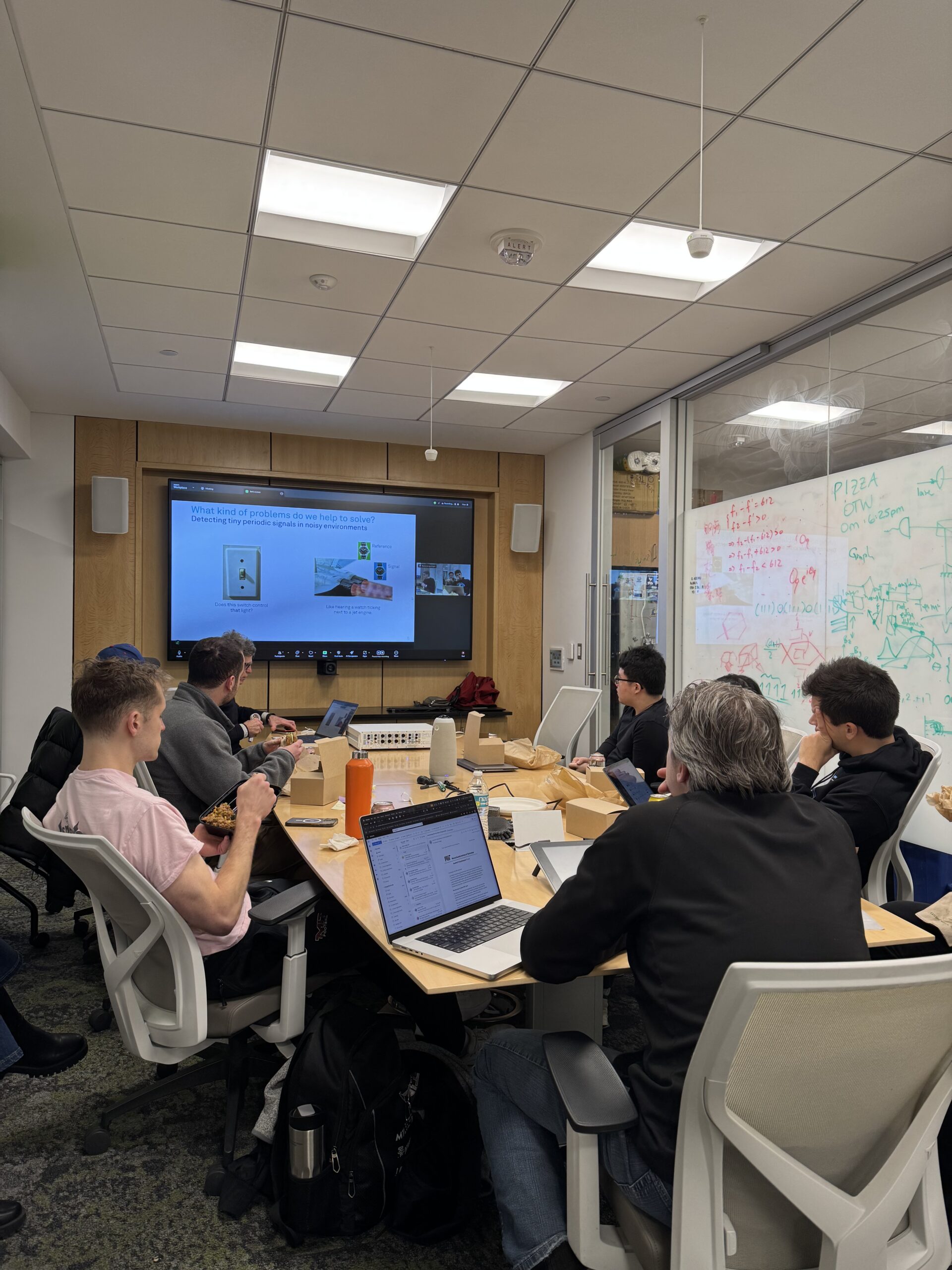
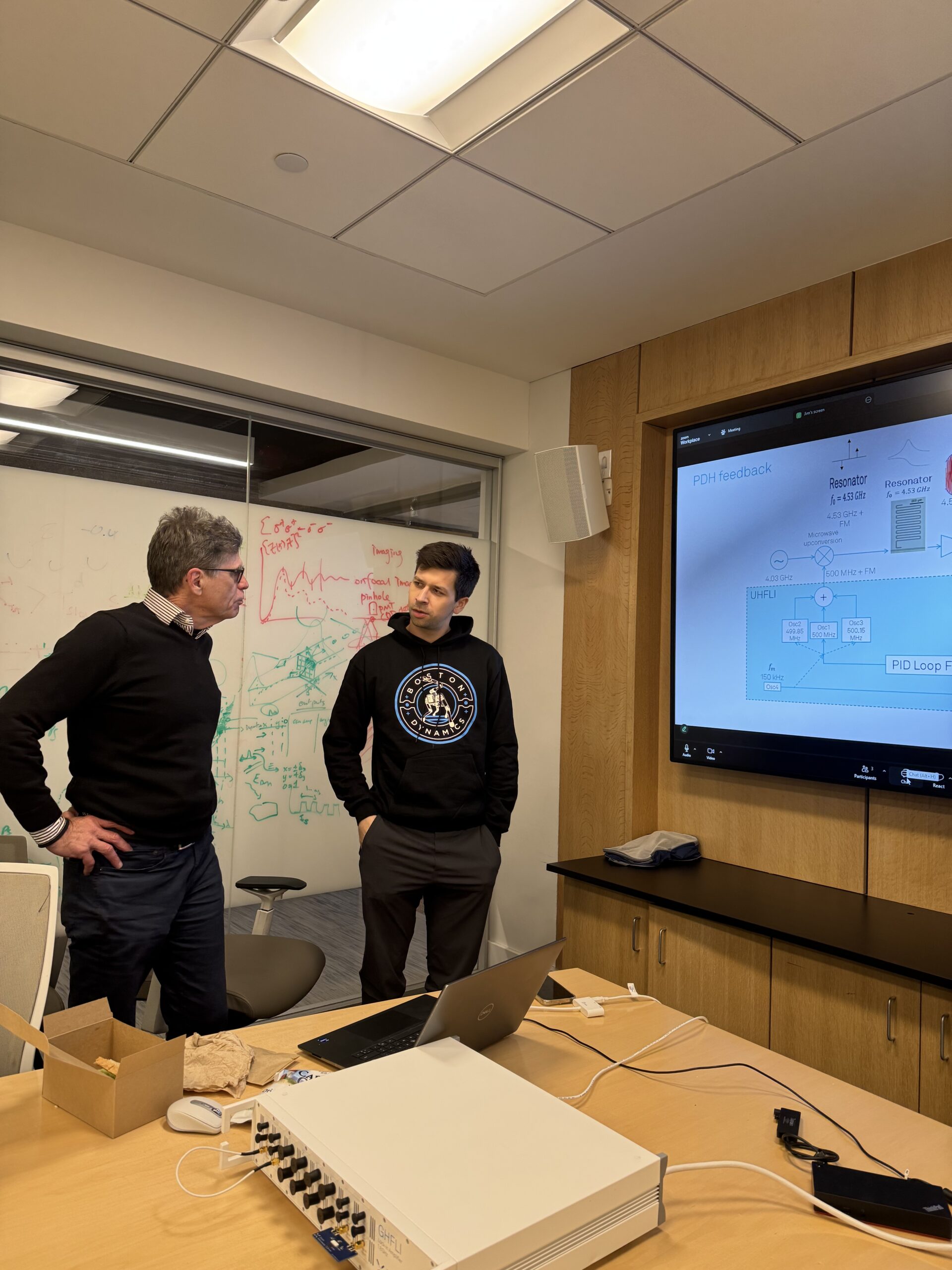
The Rodgers RLE Forum is a time to appreciate and learn from examples of impactful engineering. The laboratory hosts these opportunities for engagement in support of its mission to serve as a cutting-edge hub for advancing and sharing knowledge and best practices in high-performance prototyping.
About the presenters:

Jim Phillips spent several decades in research, often building instruments to achieve what was not possible with commercial equipment. He taught electronics to physics majors at Stanford, searched for fractional electric charges, and designed precision astronomical instruments and tests of gravity. He developed the world’s most precise laser distance gauge, accurate for 1 m distances to 40 fm, the diameter of a uranium nucleus. He joined Zurich Instruments in 2018 and is having fun solving problems for customers.

Zurich Instruments makes cutting-edge instrumentation for scientists and technologists in advanced laboratories who are passionate about phenomena that are notoriously difficult to measure. The company’s hardware offering includes lock-in amplifiers, quantum computing control systems, impedance analyzers, and arbitrary waveform generators.
Zurich Instruments brings innovation to scientific instrumentation in the medium- to super-high-frequency ranges by combining a variety of frequency- and time-domain tools within each of its products thanks to the LabOne® control software. This approach simplifies laboratory setups and unlocks new measurement approaches for dynamic signal analysis.